The complete story: the curriculum, the research, the workshops already delivered, and the people behind it. Re-set for reading on any screen.
Emotional intelligence learning workshops for students, led by students.
By Adriana Cicero · Founder
Naming and recognizing emotions as they arise.
Understanding the trigger behind the feeling.
Choosing a concrete, healthy response.
Balloon breathing, facial expression games and challenges, emotion identification, scenario cards, and real-life discussion, along with an introduction to Emotion Boards.
A recap of day one through interactive questions, then regulation strategies, scenario cards, small-group collaboration, Emotion Boards, reflections, and take-home practice.
Through balloon breathing and games like "show me your happy, mad, or sad face," students learn to notice and name basic emotions in themselves and others, using toys and everyday scenarios. On day two they move from naming feelings to practicing simple responses in small groups.
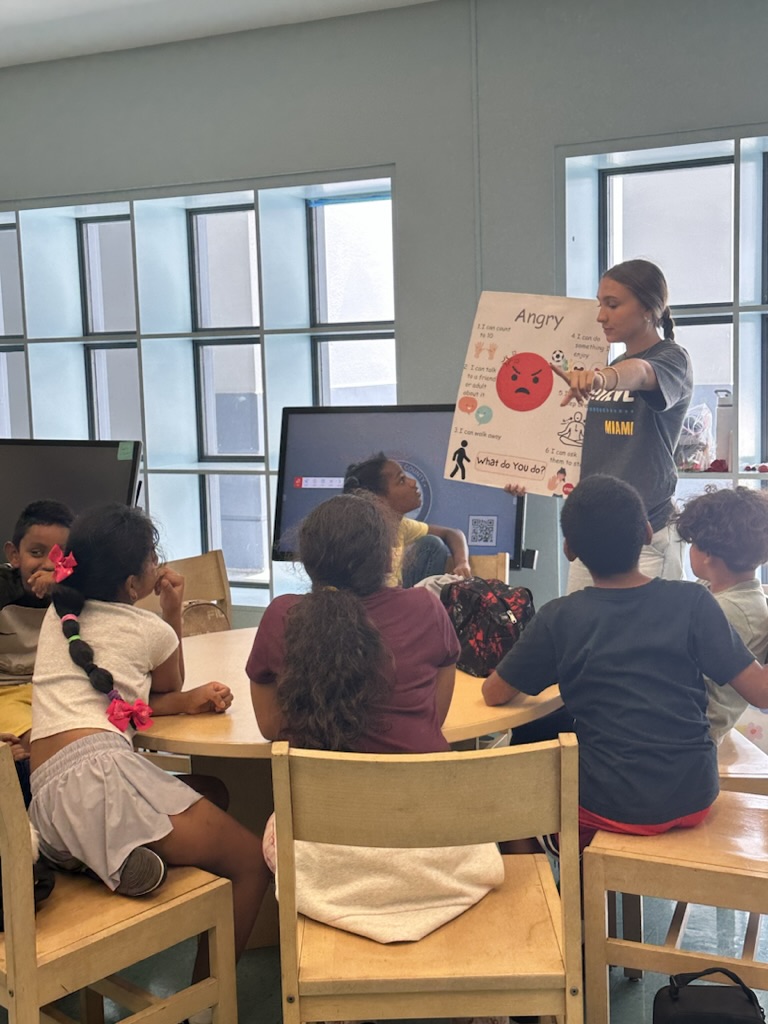
Students learn the TEA framework (Trigger, Emotion, Action) to unpack why they react the way they do, and build concrete anger-coping tools: deep breathing, counting to ten, walking away, and choosing a response instead of reacting on impulse.
Students identify the feeling, decide on a response, and explain their reasoning, adding a real layer of critical thinking. They revisit healthy anger management strategies and discuss how understanding emotions helps them support the people around them.
Noticing and labeling emotions as they're happening. Identifying an intense emotion ("naming") measurably reduces the stress and anxiety ("taming") that emotion is causing in the brain and the body.Technique credit: Mindfulness.com
The technique was first identified by Dr. Daniel Siegel, a psychiatrist, writer, and professor who is the founding co-director of the Mindful Awareness Research Center at UCLA. It is the core technique behind every Emotion Surfing workshop.
The first presentation of the EI curriculum, delivered to YFC, a global Catholic youth group that is part of CFC, to a room of high school students, college students, and their parents.
A workshop delivered at Xishiku Cathedral of the Roman Catholic Archdiocese of Beijing, connected to the CFC organization.
Emotional intelligence skills taught to middle and high school students in Hebei, with Adriana's older sister translating the workshop into Chinese.
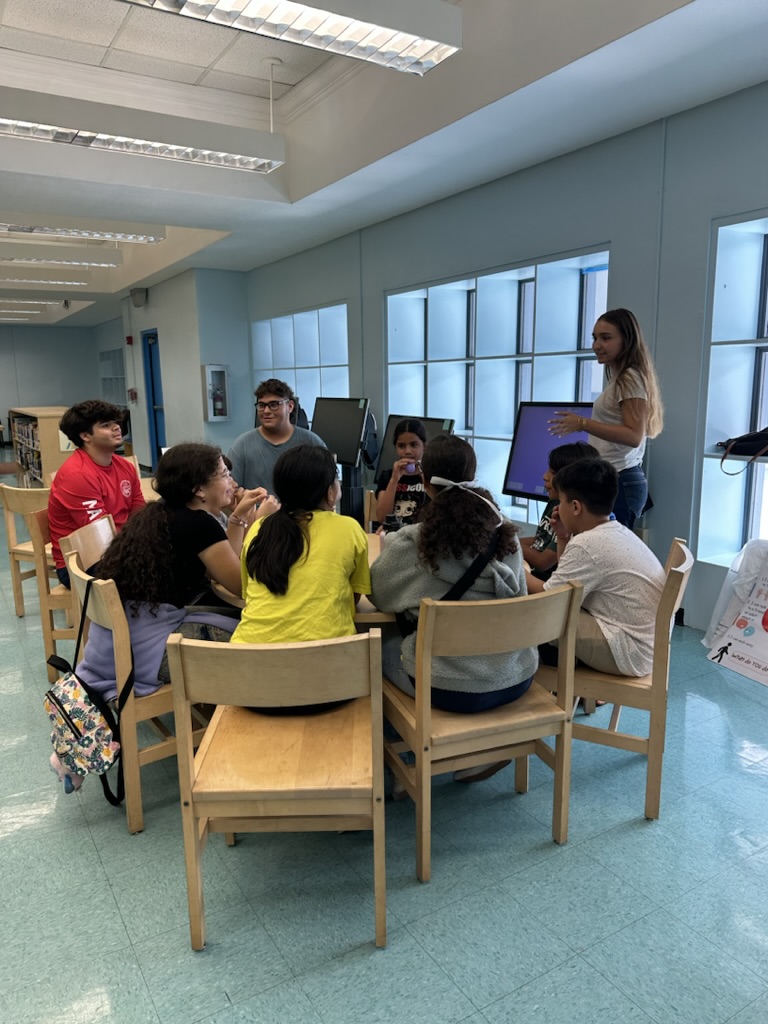
Partnered with Hope for Miami to deliver a two-day Emotion Surfing workshop to 1st through 5th graders at their Wayside Baptist Church location.
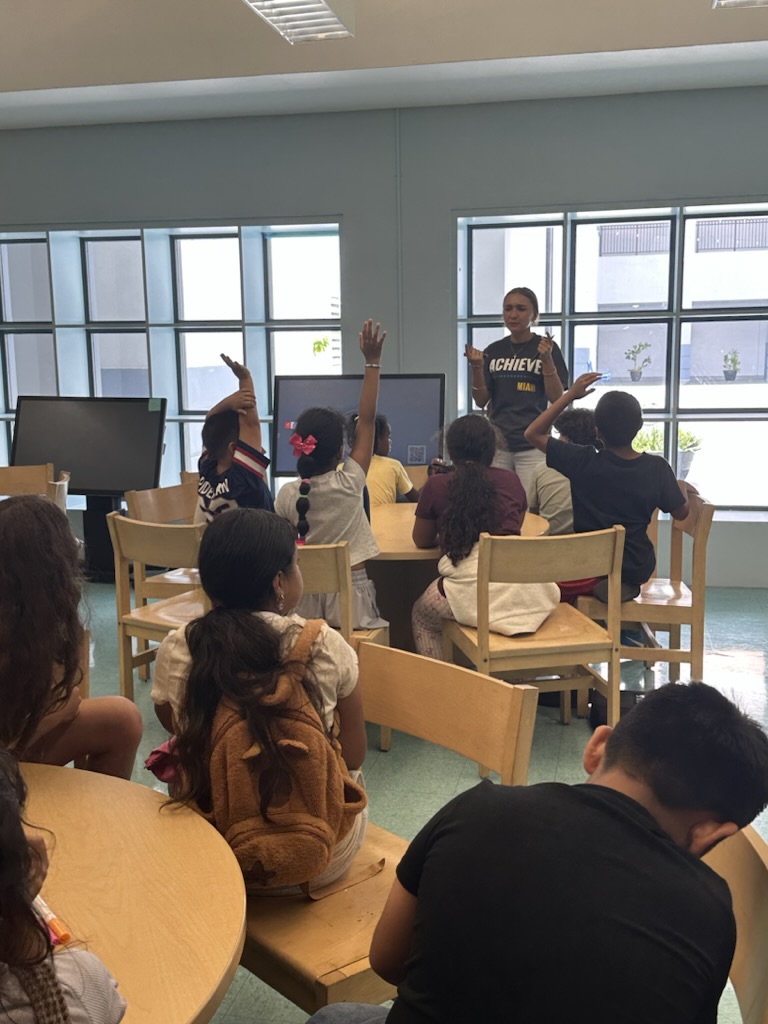
Partnered with Achieve at their Riverside Elementary location, delivering six 45-minute workshops over the course of two days to grades 1 through 5.


SFERE is a student-led innovation and entrepreneurship event hosted by the Miami Venturing Entrepreneurs at Ransom Everglades School, designed to bridge the worlds of economics, finance, and international relations.
The evidence-based social-emotional learning approach developed at the Yale Center for Emotional Intelligence.
The psychologist and bestselling author who popularized the concept of emotional intelligence.
Published research linking emotional intelligence to leadership and team performance.
Large-scale testing data identifying EI as a top predictor of professional performance.
Founding director of the Yale Center for Emotional Intelligence, professor in the Child Study Center at Yale University, and author of "Permission to Feel" and "Dealing With Feeling."
Associate Research Scientist on the Implementation Science team at the Yale Center for Emotional Intelligence.
A certified coach who specialized in coaching, teaching, and developing emotional intelligence skills in others, and one of the first people to believe in Emotion Surfing.
Professional training: Adriana has additionally completed a professional training workshop with Six Seconds, the world's largest network of emotional intelligence practitioners.
Building emotional awareness and teaching practical coping strategies for stress, frustration, anxiety, and conflict. Students learn: